
Role: Project Lead
Tools and Skills:
- Figma
- Miro
- WordPress
- Elementor
- UX Design
- Stakeholder Engagement
- Website Copywriting
- Content Strategy
Overview:
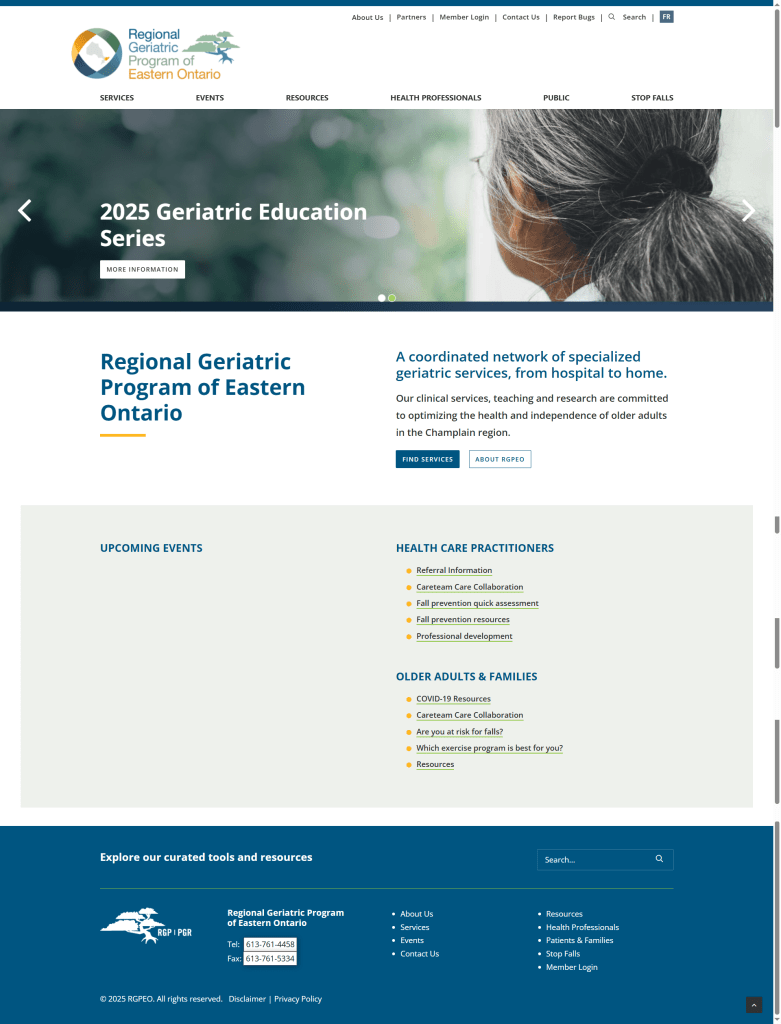
Led a website renovation project for the Regional Geriatric Program of Eastern Ontario (RGPEO), aiming to improve user navigation, simplify the design for our target audience (older adults and carers and healthcare workers), brand consistency, and the visibility of core programs and resources. This project was critical to modernizing how the organization shares information and engages with internal and external stakeholders.
My Contributions:
1. Project Planning & Vendor Selection
- Audited the existing website to identify usability issues, outdated content, and technical limitations.
- Created a full inventory of all pages and resource links on the site to give the team a clear overview and guide decisions on what to delete, keep, or edit.
- Researched different web design and builder companies to figure out what would work best for us — balancing service quality, long-term value, and cost within our allocated budget.
- Created a visual sitemap using Miro to help companies understand the scope of the project (for their RFPs and estimates).
- Gathered proposals from three different vendors and completed a comparative analysis, looking at depth of service, maintenance packages, and cost.
- Presented my findings to key stakeholders and supported the decision-making process.
- Negotiated the final contract with the selected company, ensuring we got the best value and clear deliverables.
2. Stakeholder Engagement & Content Planning
- Developed a comprehensive project outline, detailing the scope, objectives, and strategic goals of the website renovation.
- Actively engaged stakeholders across departments to gather feedback and understand their needs for the new site.
- Worked closely with program managers to plan new or updated pages that reflect their specific services.
- Reviewed all content across the existing site and edited it as needed before migration to ensure accuracy and consistency.
- Brought stakeholder input back to the web company to guide content and structural changes.
3. Website Architecture & Design
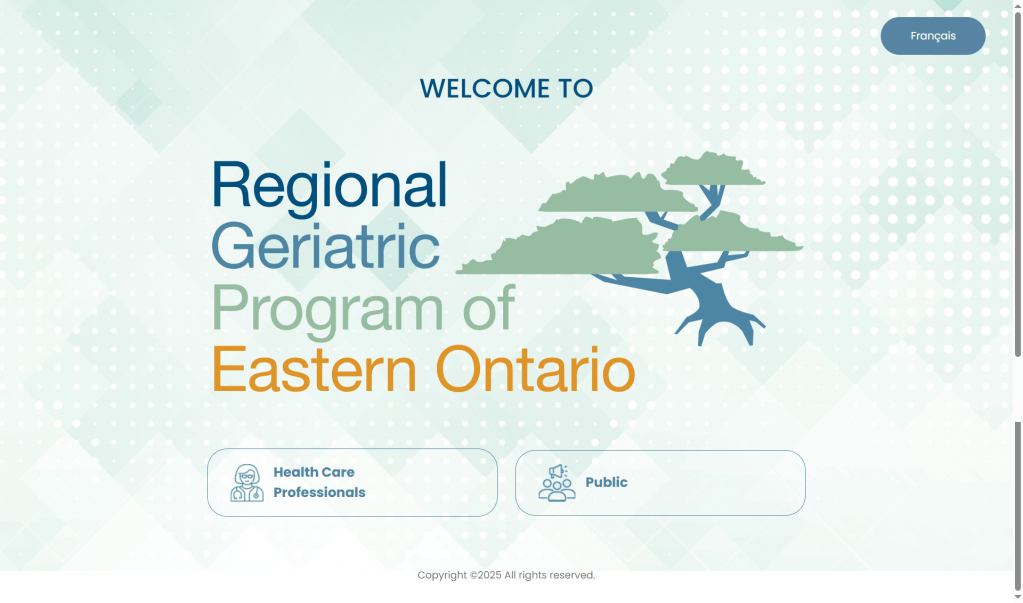
- Collaborated with the web design company to restructure the site’s architecture so content is easier to find and better organized.
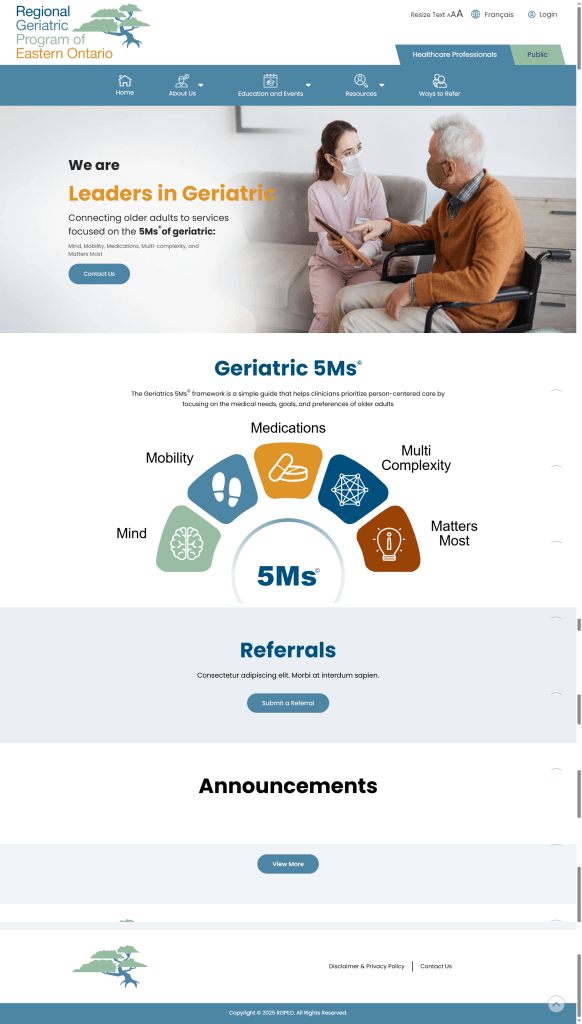
- Created initial wireframes and mockups using Elementor, adding custom styling where needed.
- Provided input on layout, visual hierarchy, and how to keep the site aligned with RGPEO’s branding and audience needs.
4. Accessibility & Technical Implementation
- Ensured accessibility best practices were followed throughout, aligning with AODA standards
- Managed version control, tested plugins, and supported layout customization as the build progressed
- Built timelines and key milestones with the company to keep the project on track
5. Feedback & Iteration
- Facilitated regular feedback cycles between the company and internal teams
- Reviewed site pages and functionality as they were built, ensuring updates reflected stakeholder input and organizational goals
- Coordinated iterative changes, balancing design decisions with accessibility and usability priorities
Outcome / Impact:
This project is scheduled for completion in August, but even throughout the development process, it’s already sparked more engagement from different teams across the organization. By creating space for feedback and collaboration, the renovation has helped teams feel more connected to how their work is being represented online. It’s also been a great opportunity for me to sharpen my skills in web design, content strategy, and accessibility — all while balancing multiple priorities and perspectives. I’ve learned how to simplify complex content, advocate for user needs, and turn a scattered vision into something functional and future-proof. Most importantly, this project reminded me how meaningful it can be to create something that makes people’s work feel seen and valued.
Supplementary Files:
 SANJANA HAQUE'S PORTFOLIO